
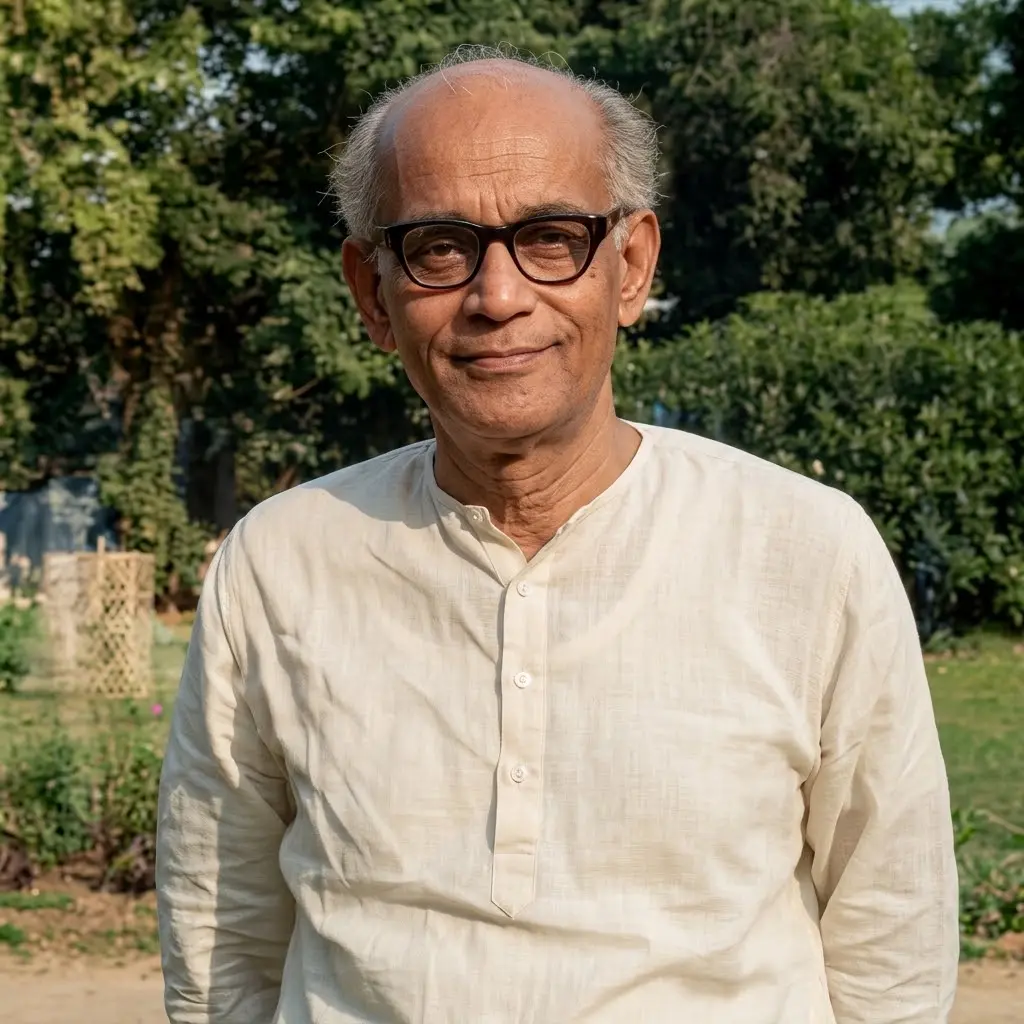
Captain Mansur Ali
National Heroes,
Short Biography
Captain Mansur Ali was a Bangladeshi politician, Liberation War leader, and former Prime Minister of Bangladesh. He was a close associate of Sheikh Mujibur Rahman and served as Finance Minister of the Mujibnagar Government during the Liberation War of 1971. After independence, he served in several ministerial positions before becoming Prime Minister in 1975. He was one of Bangladesh's Four National Leaders and was killed in Dhaka Central Jail on 3 November 1975 during the Jail Killing.


Detail Biography
Captain Muhammad Mansur Ali was one of the most prominent political leaders in the history of Bangladesh and one of the country's Four National Leaders. Closely associated with Bangabandhu Sheikh Mujibur Rahman and the Bangladesh independence movement, he played an important role during the Liberation War of 1971 as a minister of the Mujibnagar Government. After independence, he served in several important positions in the government of Bangladesh and later became the Prime Minister of Bangladesh in 1975. Early Life and Education Captain Mansur Ali was born in Kuripara, Kazipur, Sirajganj, in what was then British India. Sources differ on his exact birth year, with commonly cited records giving 1917 or 1919. He studied at Calcutta Islamia College and later obtained a master's degree in economics and a law degree from Aligarh Muslim University. He became known as "Captain Mansur Ali" after receiving military training and the rank of captain. He subsequently pursued a career in law and began practicing as an advocate in Pabna. Political Career Mansur Ali became involved in politics during the Pakistan period and joined the Awami Muslim League in the early 1950s. His political activities included participation in the Language Movement of 1952, for which he was arrested. He later became involved in the United Front government and held several ministerial responsibilities in East Pakistan. He was also an important supporter of the Six-Point Programme, which became a major political movement for greater autonomy for East Pakistan. In the 1970 election, he was elected to the provincial legislature. Role in the Liberation War of 1971 During the Bangladesh Liberation War, Captain Mansur Ali became a key member of the Mujibnagar Government, the provisional government of Bangladesh formed during the war. He served as Finance Minister and contributed to the political and administrative efforts supporting the independence struggle. His role during 1971 made him one of the important political figures associated with the organization and functioning of Bangladesh's wartime government. Career After Independence After Bangladesh achieved independence in 1971, Captain Mansur Ali continued to serve in the national government. He held important responsibilities including Minister of Communications and later Minister of Home Affairs and Communications. He was also elected to the national parliament in 1973. In January 1975, Mansur Ali became Prime Minister of Bangladesh, serving under President Sheikh Mujibur Rahman until August 1975. Death and Historical Legacy Captain Mansur Ali's life came to a tragic end during the Jail Killing of 3 November 1975. Following the political upheaval of August 1975, he was arrested and detained in Dhaka Central Jail. On 3 November 1975, he was killed inside the jail along with three other national leaders: Syed Nazrul Islam, Tajuddin Ahmad, and A. H. M. Qamaruzzaman. Today, Captain Mansur Ali is remembered as one of the Four National Leaders of Bangladesh and as a significant political figure of the country's independence movement. His contributions to the Mujibnagar Government, the Liberation War, and the early years of independent Bangladesh remain an important part of the nation's political history.
Popular Dialogues
Captain Mansur Ali was known as a stoic, behind-the-scenes organizer and an eloquent lawyer rather than a populist orator or speechmaker. While he has no widely quoted "pop culture" dialogues, his final recorded ideological stance was his direct and absolute refusal to compromise with the military assassins of Bangabandhu, choosing martyrdom over political betrayal
Controversy
• BAKSAL Formation: As a fierce loyalist to Sheikh Mujibur Rahman, he accepted the role of Prime Minister under the one-party BAKSAL system in early 1975, a governance change that remains a subject of intense debate in Bangladesh's political history. • Defiance of the Coup: His ultimate political stand came when he chose imprisonment and death over joining the cabinet of coup leader Khondaker Mostaq Ahmad after August 15, 1975
Injury History
He sustained no recorded major physical or military injuries during his life, though his life tragically ended when he was assassinated by gunshots alongside three other national leaders inside Dhaka Central Jail on November 3, 1975
Tattoos & Body Art
None. Traditional politicians and statesmen of his generation and Muslim background in 20th-century Bengal did not get tattoos
Captain Mansur Ali
Also known as: M. Mansur Ali, Muhammad Mansur Ali, মোঃ মনসুর আলী