
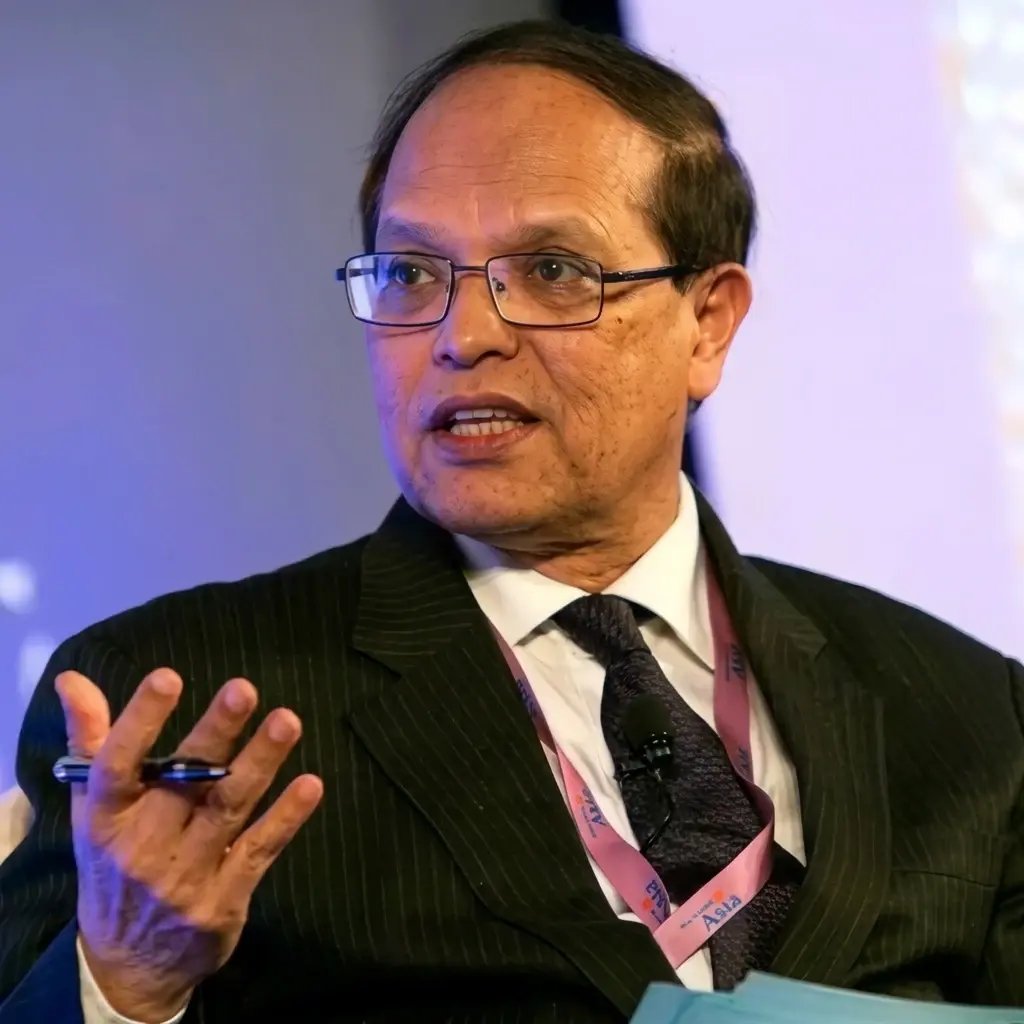
Atiur Rahman
Economist & Professor,
Short Biography
Dr. Atiur Rahman is a renowned Bangladeshi economist, professor, author, and former governor of Bangladesh Bank. Born in 1951 in Jamalpur, Bangladesh, he completed his higher education at the University of Dhaka and earned his PhD in Economics from the University of London. He served as the 10th Governor of Bangladesh Bank from 2009 to 2016. He is widely recognized for promoting financial inclusion, agricultural financing, rural banking, and sustainable development. Popularly known as the "Banker of the Poor," he has also written more than 100 books and received several national and international awards for his contributions to economics, banking, research, and literature.


Detail Biography
Dr. Atiur Rahman is a renowned Bangladeshi economist, academic, author, researcher, and former governor of Bangladesh Bank. He is widely recognized for his contributions to Bangladesh's economic development, financial inclusion, rural banking, and sustainable finance. He has played an important role in promoting economic opportunities for poor and disadvantaged communities. Popularly known as the "Banker of the Poor" and the "Green Governor," Atiur Rahman has earned national and international recognition for his work in economics, banking, education, and social development. His professional journey reflects dedication to research, knowledge, and the economic progress of Bangladesh. Early Life and Education Dr. Atiur Rahman was born in 1951 in a small village in Jamalpur district, Bangladesh. He grew up in a rural family and experienced financial difficulties during his childhood. Despite these challenges, he remained determined to continue his education and build a better future. He completed his secondary and higher secondary education at Mirzapur Cadet College. Later, he studied economics at the University of Dhaka, where he earned his bachelor's and master's degrees. His academic journey continued in the United Kingdom through a Commonwealth Scholarship. He attended the School of Oriental and African Studies (SOAS), University of London, where he completed his postgraduate studies and earned a PhD in economics in 1983. His educational background helped him develop strong knowledge of economic research, financial systems, poverty reduction, and development policies. Career and Professional Journey Atiur Rahman started his professional career in 1975 as a planning officer at the Bangladesh Tourism Corporation. After completing his doctoral studies, he joined the Bangladesh Institute of Development Studies (BIDS) in 1983. During his time at BIDS, he worked as a researcher and contributed to different studies related to poverty, agriculture, rural development, and economic policy. His research work helped him become a respected name in Bangladesh's development economics sector. He later joined the University of Dhaka as a professor in the Department of Development Studies. Through teaching, research, and academic activities, he contributed to the development of economic education in Bangladesh. Besides his academic career, he has worked with different financial and development organizations. He also became involved in social research, cultural activities, and economic policy discussions. Governor of Bangladesh Bank One of the most important achievements in Atiur Rahman's career was his appointment as the 10th Governor of Bangladesh Bank on 1 May 2009. He served in this position until 15 March 2016. During his leadership, Bangladesh Bank introduced several initiatives to improve financial inclusion and make banking services more accessible to ordinary people. His major priorities included Expanding banking services for rural communities. Supporting agricultural and small business financing. Encouraging mobile and digital banking. Promoting financial services for low-income people. Supporting environmentally responsible banking. Improving access to financial services for women and disadvantaged communities. His approach to banking focused on connecting economic growth with social development. He encouraged banks and financial institutions to support agriculture, small businesses, and people who had limited access to traditional banking services. His work during this period earned him recognition both in Bangladesh and internationally. Contribution to Financial Inclusion Financial inclusion is one of the most important areas associated with Atiur Rahman's professional career. He believed that banking services should be available to everyone, not only wealthy individuals and large businesses. During his time as Bangladesh Bank Governor, he promoted policies that encouraged banks to serve farmers, small entrepreneurs, women, and people living in rural areas. His initiatives helped strengthen agricultural financing, SME banking, mobile financial services, and access to formal financial systems. He also supported the use of technology to make banking easier and more accessible. His vision was to create a financial system that could contribute to inclusive and sustainable economic development. Work as an Economist and Professor Apart from his banking career, Atiur Rahman is a respected academic and development economist. He has contributed to economic research, university education, and national development discussions. He has worked as a professor and later as an emeritus professor at the University of Dhaka. His academic interests include poverty reduction, rural development, financial inclusion, agriculture, sustainable development, and economic policy. He has also written numerous books and research papers in Bangla and English. His writings cover economic development, social challenges, Bangladesh's history, and important national personalities. Through his teaching and research, he has contributed to the growth of development studies as an academic discipline in Bangladesh. Literary Work and Publications Atiur Rahman is also known for his contribution to literature and research writing. He has written more than 100 books and published numerous research papers in national and international journals. His writings cover a wide range of subjects, including economics, poverty, rural society, development policy, culture, and history. One of his recognized books is Peasants and Classes, which explores rural society and economic relationships. He has also written extensively about Bangabandhu Sheikh Mujibur Rahman and Rabindranath Tagore. His literary and research activities demonstrate his interest in connecting economic knowledge with society, culture, and national development. Awards and Achievements Throughout his professional career, Atiur Rahman has received several national and international awards for his contributions to banking, economics, literature, and social development. Some of his notable recognitions include: Best Central Bank Governor for Asia-Pacific in 2015 by The Banker. Central Bank Governor of the Year for Asia in 2015 by Emerging Markets. GUSI Peace Prize International in 2014. Indira Gandhi Gold Plaque in 2011. Bangla Academy Literary Award in 2015. Sheltech Award in 2010. Khan Bahadur Ahsanullah Gold Medal in 2021. These achievements reflect his contributions to financial development, academic research, and social progress. Personal Life and Public Recognition Dr. Atiur Rahman is known for his commitment to education, research, and the economic development of Bangladesh. His journey from a rural background to becoming the governor of Bangladesh Bank is an inspiring example of determination and academic dedication. He has remained active in research, writing, cultural activities, and development-related discussions. His professional identity combines the roles of an economist, teacher, author, researcher, and public policy contributor. Atiur Rahman's Contribution to Bangladesh Dr. Atiur Rahman has made significant contributions to Bangladesh's economic and financial development. His work in financial inclusion, agricultural financing, rural banking, and sustainable finance has helped shape important discussions about the country's economic future. His career also highlights the importance of education, research, and social responsibility in national development. Today, Atiur Rahman remains a respected Bangladeshi economist and academic personality. His professional achievements, research, publications, and contributions to the banking sector have made him an important figure in Bangladesh's economic history.
Popular Dialogues
• Because he is an economist and educator rather than an actor, he does not have film dialogues, though several lines from his public speeches and interviews are widely quoted: • "One does not belong to the country he was born in. You need to know your country, its people, its culture, and love every inch of it." (from his IPDC Ogroj interview) • "People are equal to their dreams; you can touch your dream if you want." (from his motivational addresses to students) • "Never remind the people who have hurt you, but never forget the pain you got from them." (from his youth seminars)
Injury History
• No major physical injuries are publicly documented in his biography.
Tattoos & Body Art
• None publicly reported.
Atiur Rahman
Also known as: • Dr. Atiur Rahman, আতিউর রহমান, Poor Peoples' Economist, Green Governor, The Banker of the Poor.